Names of 12 Jyotirlingas: Ultimate Guide With Places in India

Names of 12 Jyotirlingas

Table of Contents

Names of 12 Jyotirlingas: Ultimate Guide With Places in India

India is home to countless ancient temples, but the Names of 12 Jyotirlingas hold a unique place in Hinduism. These sacred shrines are dedicated to Lord Shiva and are believed to represent his divine form as an infinite pillar of light. Every year, millions of devotees visit these holy temples to seek blessings, spiritual peace, and divine grace.

The Names of 12 Jyotirlingas are mentioned in ancient Hindu scriptures, especially the Shiva Purana. Each temple has its own mythology, history, architectural beauty, and religious significance. From the snow-covered Himalayas of Kedarnath to the coastal temple of Somnath, every Jyotirlinga offers a unique spiritual experience.

If you are searching for the Names of 12 Jyotirlingas, their locations, history, or planning a complete Jyotirlinga Yatra, this guide will help you understand everything in one place. You will also find the 12 Jyotirlinga name and place, travel information, and the religious importance of each temple.

What Are Jyotirlingas?

The word Jyotirlinga comes from two Sanskrit words:

  • Jyoti means divine light.
  • Linga represents Lord Shiva.

According to Hindu mythology, Lord Shiva once appeared as an endless pillar of light before Lord Brahma and Lord Vishnu to prove that he was the supreme power of the universe. Since neither Brahma nor Vishnu could find the beginning or end of this divine light, it became a symbol of Shiva’s infinite nature.

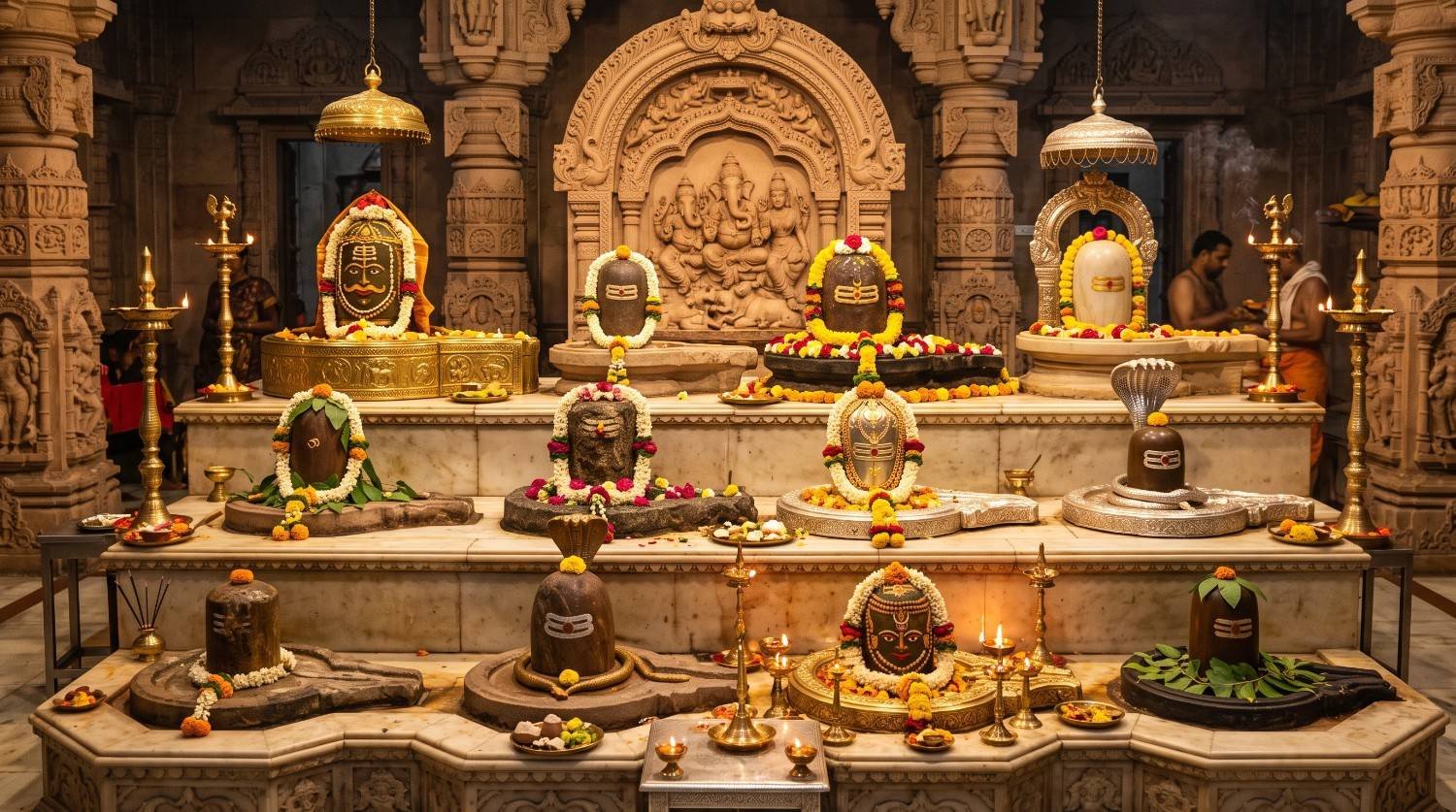
The places where this divine light manifested are worshipped today as the Names of 12 Jyotirlingas. These sacred temples are spread across different states of India and are considered the holiest Shiva temples in the country.

The 12 Jyotirlingas list is not only important from a religious perspective but also reflects India’s rich cultural heritage, ancient architecture, and centuries-old traditions.

History Behind the Names of 12 Jyotirlingas

The history of the Names of 12 Jyotirlingas is deeply connected with Hindu mythology and the Shiva Purana.

According to the legend, Lord Brahma and Lord Vishnu once argued over who was the supreme creator of the universe. At that moment, Lord Shiva appeared as an infinite pillar of divine light stretching beyond the sky and deep into the earth.

Lord Vishnu transformed into a boar and travelled downward to find its end, while Lord Brahma flew upward as a swan to locate its beginning. Despite their efforts, neither could discover the limits of the divine light.

This event established Lord Shiva as the eternal and infinite power. It is believed that this divine energy later manifested in twelve sacred places across India, which are now known as the Names of 12 Jyotirlingas.

Even today, these temples continue to inspire millions of devotees with their spiritual atmosphere, historical significance, and timeless connection to Lord Shiva.

Importance of the Names of 12 Jyotirlingas

The Names of 12 Jyotirlingas are among the most sacred pilgrimage destinations for Shiva devotees. Visiting these holy temples is believed to bring inner peace, remove negativity, and strengthen one’s devotion towards Lord Shiva.

Some of the major reasons why the Names of 12 Jyotirlingas are so important include:

  • They represent the twelve divine manifestations of Lord Shiva.
  • They are mentioned in sacred Hindu scriptures.
  • They attract millions of pilgrims every year.
  • They preserve India’s ancient spiritual traditions and temple architecture.
  • They are considered highly auspicious for spiritual growth and self-realisation.

Many devotees also undertake the 12 Jyotirlinga Yatra, a sacred pilgrimage covering all twelve temples across India. Completing this journey is believed to bring divine blessings and spiritual fulfilment.

Names of 12 Jyotirlingas With Places in India

If you are searching for the Names of 12 Jyotirlingas along with their locations, the complete 12 Jyotirlinga name and place list is given below.

No. Jyotirlinga Name Place State
1 Somnath Jyotirlinga Prabhas Patan Gujarat
2 Mallikarjuna Jyotirlinga Srisailam Andhra Pradesh
3 Mahakaleshwar Jyotirlinga Ujjain Madhya Pradesh
4 Omkareshwar Jyotirlinga Khandwa Madhya Pradesh
5 Kedarnath Jyotirlinga Rudraprayag Uttarakhand
6 Bhimashankar Jyotirlinga Pune Maharashtra
7 Kashi Vishwanath Jyotirlinga Varanasi Uttar Pradesh
8 Trimbakeshwar Jyotirlinga Nashik Maharashtra
9 Vaidyanath Jyotirlinga Deoghar Jharkhand
10 Nageshwar Jyotirlinga Dwarka Gujarat
11 Rameshwaram Jyotirlinga Rameswaram Tamil Nadu
12 Grishneshwar Jyotirlinga Verul (Ellora) Maharashtra

The Names of 12 Jyotirlingas cover almost every region of India, allowing devotees to experience different cultures, traditions, landscapes, and temple architecture while completing their pilgrimage.

Also read this- कामाख्या मंदिर का इतिहास: जानिए 28 अद्भुत एवं चमत्कारी बातें

1. Somnath Jyotirlinga – Gujarat

Location: Prabhas Patan, Gir Somnath District, Gujarat

Somnath Jyotirlinga is considered the first among the Names of 12 Jyotirlingas and is one of the oldest and most revered Shiva temples in India. Located on the western coast of Gujarat along the Arabian Sea, this temple symbolizes faith, resilience, and devotion. Over centuries, the temple has been rebuilt several times after invasions, making it a powerful symbol of India’s rich spiritual heritage.

History and Religious Significance

According to Hindu mythology, Chandra Dev (the Moon God) was cursed by Daksha Prajapati, causing him to lose his brilliance. To seek forgiveness, Chandra performed intense penance and worshipped Lord Shiva at this sacred place. Pleased with his devotion, Lord Shiva blessed him and restored his radiance. Since then, the temple has been known as Somnath, meaning Lord of the Moon.

Best Route to Reach

By Air

  • Diu Airport – Approximately 85 km
  • Rajkot International Airport – Approximately 190 km

By Train

  • Veraval Railway Station – Around 7 km from the temple

By Road

  • Ahmedabad → Rajkot → Junagadh → Veraval → Somnath
  • Distance: Around 410 km from Ahmedabad

Best Time to Visit

  • October to March
  • Mahashivratri
  • Shravan Month

Avoid Visiting

  • May to June because of extreme heat
  • Peak festival rush if you prefer shorter waiting times

Nearby Attractions

  • Triveni Sangam
  • Bhalka Tirth
  • Somnath Beach

Travel Tips

  • Attend the evening Aarti for a memorable spiritual experience.
  • Book hotels early during Mahashivratri.
  • Wear comfortable footwear for walking around the temple complex.

2. Mallikarjuna Jyotirlinga – Andhra Pradesh

Location: Srisailam, Nandyal District, Andhra Pradesh

Mallikarjuna Jyotirlinga is one of the most sacred temples among the Names of 12 Jyotirlingas. Situated in the beautiful Nallamala Hills on the banks of the Krishna River, this temple is unique because it is also associated with Goddess Bhramaramba, making it one of the revered Shakti Peethas.

History and Religious Significance

According to Hindu beliefs, Lord Kartikeya left Mount Kailash after a family disagreement. Lord Shiva and Goddess Parvati came to Srisailam to console him and stayed there in the forms of Mallikarjuna and Bhramaramba.

The name comes from:

  • Mallika – Goddess Parvati
  • Arjuna – Lord Shiva

Best Route to Reach

By Air

  • Rajiv Gandhi International Airport, Hyderabad (Approx. 215 km)

By Train

  • Markapur Road Railway Station
  • Kurnool Railway Station

By Road

  • Hyderabad → Srisailam
  • Distance: Around 210 km

Best Time to Visit

  • October to February
  • Mahashivratri Festival

Avoid Visiting

  • April to June due to high temperatures
  • Heavy monsoon days if travelling by road through the hills

Nearby Attractions

  • Srisailam Dam
  • Pathala Ganga
  • Akka Mahadevi Caves
  • Srisailam Wildlife Sanctuary

Travel Tips

  • Start early from Hyderabad.
  • Carry drinking water and basic medicines.
  • Reserve accommodation during festival seasons.

3. Mahakaleshwar Jyotirlinga – Madhya Pradesh

Location: Ujjain, Madhya Pradesh

Mahakaleshwar Jyotirlinga is one of the most famous temples in the Names of 12 Jyotirlingas. Situated on the banks of the Shipra River, it is renowned for the world-famous Bhasma Aarti, which attracts thousands of devotees every day.

History and Religious Significance

According to Hindu mythology, a young devotee named Shrikar worshipped Lord Shiva with complete faith. Pleased by his devotion, Lord Shiva appeared in Ujjain and protected his devotees from evil forces. Since then, Shiva has been worshipped here as Mahakaal, the Lord of Time and Death.

The temple is unique because the Shiva Lingam faces south, a rare feature among Shiva temples.

Best Route to Reach

By Air

  • Devi Ahilyabai Holkar Airport, Indore (55 km)

By Train

  • Ujjain Junction

By Road

  • Indore → Ujjain (55 km)
  • Bhopal → Ujjain (190 km)

Best Time to Visit

  • October to March
  • Mahashivratri
  • Shravan Month

Avoid Visiting

  • Peak afternoon during summer
  • Weekends and festival rush

Nearby Attractions

  • Ram Ghat
  • Kal Bhairav Temple
  • Harsiddhi Temple
  • Vedh Shala

Travel Tips

  • Book Bhasma Aarti in advance.
  • Reach the temple early morning.
  • Follow the temple dress code for special rituals.

4. Omkareshwar Jyotirlinga – Madhya Pradesh

Location: Mandhata Island, Khandwa District

Omkareshwar Jyotirlinga is located on Mandhata Island in the sacred Narmada River. The island naturally resembles the holy symbol “Om”, making this temple one of the most spiritually significant destinations among the Names of 12 Jyotirlingas.

History and Religious Significance

According to mythology, the Vindhya Mountain worshipped Lord Shiva to gain strength and wisdom. Lord Shiva appeared before him and blessed the mountain in the form of Omkareshwar Jyotirlinga.

Best Route to Reach

By Air

  • Indore Airport (80 km)

By Train

  • Omkareshwar Road Railway Station
  • Khandwa Junction

By Road

  • Indore → Omkareshwar (80 km)

Best Time to Visit

  • October to March
  • Monsoon for scenic river views

Avoid Visiting

  • Peak summer afternoons
  • Festival rush if seeking peaceful darshan

Nearby Attractions

  • Mamleshwar Temple
  • Narmada Ghat
  • Siddhanath Temple

Travel Tips

Visit both Omkareshwar and Mamleshwar temples.

Spend an evening on the Narmada River bank.

Dhanushkodi

Pamban Bridge

Dwarkadhish Temple

Bet Dwarka

Trikuta Hills

Tapovan

Brahmagiri Hills

Kushavarta Kund

Dashashwamedh Ghat

Ganga Aarti

Sarnath

Wear trekking shoes.

Carry rain protection during monsoon.

Start your journey early in the morning.Annapurna TemplePanchavatiNaulakha TempleRukmini TempleAgni TheerthamCarry drinking water during summer.

5. Kedarnath Jyotirlinga – Uttarakhand

Location: Kedarnath, Rudraprayag District, Uttarakhand

Kedarnath Jyotirlinga is one of the holiest temples among the Names of 12 Jyotirlingas. Nestled in the Garhwal Himalayas at an altitude of approximately 3,583 metres, the temple is surrounded by snow-covered peaks and the sacred Mandakini River. Every year, lakhs of pilgrims undertake this challenging yet rewarding journey to seek Lord Shiva’s blessings.

Kedarnath is also a significant part of the Char Dham Yatra and is admired for its breathtaking natural beauty and spiritual atmosphere.

History and Religious Significance

According to Hindu mythology, after the Mahabharata war, the Pandavas wanted to seek forgiveness for the destruction caused during the battle. Lord Shiva avoided them by taking the form of a bull and hiding in the Himalayas.

When the Pandavas recognised him, Lord Shiva disappeared into the ground, and the hump of the bull appeared at Kedarnath. This sacred place later became one of the Names of 12 Jyotirlingas. It is believed that the original temple was built by the Pandavas and later restored by Adi Shankaracharya.

Best Route to Reach

By Air

  • Jolly Grant Airport, Dehradun (Approx. 240 km)

By Train

  • Haridwar Railway Station
  • Rishikesh Railway Station

By Road
Haridwar → Rishikesh → Devprayag → Rudraprayag → Guptkashi → Sonprayag → Gaurikund

From Gaurikund, pilgrims must trek approximately 16 km to Kedarnath Temple. Helicopter, pony, and palki services are also available.

Best Time to Visit

  • May to June
  • September to October

Avoid Visiting

  • July to August due to heavy rainfall and landslides.
  • Winter months because the temple remains closed.

Nearby Attractions

  • Bhairavnath Temple
  • Gaurikund
  • Vasuki Tal

Travel Tips

  • Carry warm clothes even during summer.
  • Book accommodation and helicopter tickets well in advance.
  • Check weather forecasts before starting the trek.

6. Bhimashankar Jyotirlinga – Maharashtra

Location: Pune District, Maharashtra

Bhimashankar Jyotirlinga is located in the scenic Sahyadri Hills and is one of the important temples included in the Names of 12 Jyotirlingas. Surrounded by forests and wildlife, this temple offers both spiritual peace and natural beauty.

History and Religious Significance

According to mythology, a demon named Bhima created fear among sages and devotees. After hearing their prayers, Lord Shiva appeared and defeated the demon. Lord Shiva then stayed here in the form of Bhimashankar Jyotirlinga.

The temple is also believed to be the origin of the Bhima River.

Best Route to Reach

By Air

  • Pune International Airport (110 km)

By Train

  • Pune Railway Station

By Road
Pune → Manchar → Bhimashankar (110 km)

Mumbai → Bhimashankar (220 km)

Best Time to Visit

  • October to February
  • Monsoon for lush greenery

Avoid Visiting

  • Heavy monsoon days due to slippery roads.
  • Summer afternoons.

Nearby Attractions

  • Bhimashankar Wildlife Sanctuary
  • Gupt Bhimashankar
  • Nagphani View Point

7. Kashi Vishwanath Jyotirlinga – Uttar Pradesh

Location: Varanasi, Uttar Pradesh

Kashi Vishwanath is among the most revered Names of 12 Jyotirlingas. Situated on the banks of the holy River Ganga, the temple attracts devotees from across the world.

The name Vishwanath means “Lord of the Universe,” symbolising Lord Shiva’s universal presence.

Best Route

  • Lal Bahadur Shastri International Airport
  • Varanasi Junction Railway Station
  • Excellent road connectivity from Lucknow and Prayagraj

Best Time

  • October to March
  • Dev Deepawali
  • Mahashivratri

Nearby Attractions

  • Dashashwamedh Ghat
  • Ganga Aarti
  • Sarnath
  • Annapurna Temple

8. Trimbakeshwar Jyotirlinga – Maharashtra

Located near Nashik, Trimbakeshwar is one of the famous Names of 12 Jyotirlingas and is closely associated with the origin of the Godavari River.

The temple is unique because the Shiva Lingam represents Brahma, Vishnu, and Mahesh together.

Best Time

October to March

Nearby Attractions

9. Vaidyanath Jyotirlinga – Jharkhand

Located in Deoghar, Vaidyanath Jyotirlinga is one of the most visited Shiva temples during the Shravan month.

According to mythology, Ravana worshipped Lord Shiva here and received the sacred Shiva Lingam, which later became established at Deoghar.

Best Time

October to March

Shravan Month

Nearby Attractions

  • Trikuta Hills
  • Tapovan
  • Naulakha Temple

10. Nageshwar Jyotirlinga – Gujarat

Situated near Dwarka, Nageshwar Jyotirlinga is one of the sacred Names of 12 Jyotirlingas and is believed to protect devotees from fear and negative energies.

Best Time

October to March

Nearby Attractions

  • Dwarkadhish Temple
  • Bet Dwarka
  • Rukmini Temple

11. Rameshwaram Jyotirlinga – Tamil Nadu

Rameshwaram Jyotirlinga is one of the holiest Names of 12 Jyotirlingas and is also part of the Char Dham pilgrimage.

According to the Ramayana, Lord Rama worshipped Lord Shiva here before crossing to Lanka.

Best Time

October to March

Nearby Attractions

  • Dhanushkodi
  • Pamban Bridge
  • Agni Theertham


12. Grishneshwar Jyotirlinga – Maharashtra

Grishneshwar is the last among the Names of 12 Jyotirlingas and is located near the UNESCO World Heritage Site of Ellora Caves.

According to mythology, Lord Shiva blessed a devoted woman named Kusuma here, giving the temple its spiritual significance.

Best Time

October to March

Nearby Attractions

Ellora Caves

Daulatabad Fort

Bibi Ka Maqbara

Conclusion

The Names of 12 Jyotirlingas are much more than a list of sacred temples—they represent India’s timeless spiritual heritage, devotion to Lord Shiva, and centuries-old traditions. Every Jyotirlinga has its own history, legend, architectural beauty, and religious significance, making each destination a unique pilgrimage experience.

Whether you wish to seek divine blessings, explore India’s cultural heritage, or plan a complete Jyotirlinga Yatra, knowing the Names of 12 Jyotirlingas helps you prepare your journey with confidence. From the shores of Somnath to the Himalayas of Kedarnath and the sacred island of Rameshwaram, these holy temples continue to inspire millions of devotees every year. May your pilgrimage be safe, peaceful, and filled with the blessings of Lord Shiva. Om Namah Shivaya.