

Bloating, gas, constipation, acidity, and the sensation of being full after eating are common digestive troubles and may sometimes be connected with the type of food you eat, the speed at which you eat, the level of physical activity you carry out, or the amount of fluid that you drink.
The good news is that there is no need for a complicated diet or costly supplements if you want to improve your digestion; some minor adjustments to your daily routine can help to maintain a healthier digestive system and make eating more comfortable.
If you’re looking for a natural way to improve your digestion, the most effective thing to do is to concentrate on simple habits that you can stick to. You can start by eating sufficient fibre, drinking enough fluids, remaining active, eating slowly and noticing the foods that cause your symptoms.
1. Increase your intake of foods that are high in fibre.
Fiber forms a vital component of a healthy diet and has a significant impact on bowel health since it gives bulk to the stool and can thus make bowel movements easie
- Good sources of dietary fiber include: Apples, pears, oranges, and berries Carrots, broccoli, green peas, and other vegetables Oats and whole grains Lentils, chickpeas, beans, and other pulses Almonds, peanuts, seeds, and other nuts
- The National Institute of Diabetes and Digestive and Kidney Diseases states that adults usually require about 22 to 34 grams of fibre each day, the amount varying according to age and sex, while the World Health Organization recommends that people aged 10 years and over should have at least 25 grams of dietary fibre from natural sources each day.
- But you should not suddenly introduce a large amount of fibre into your diet since a quick increase could lead to gas and bloating; instead, increase it gradually and make sure you drink sufficient fluids.
- A simple method of starting is to include an additional serving of fruit, vegetables, or pulses in your daily meals.
2. Drink Enough Water

Another simple habit for supporting digestive health is to stay hydrated.
- Fluids aid fibre in working properly and cause the stools to become softer and easier to pass. This is especially important when you are increasing the amount of fibre that you take in.
- No one particular quantity of water is suitable for all individuals; your requirement for fluids may vary according to your body size, level of activity, diet, health condition, and the climate.
- You might find that you need to take in more fluids if you exercise regularly or stay for long periods in hot weather. Rather than drinking a large quantity of water all at once, it’s best to have water available and to drink it regularly during the day.
- Rather than depending on a quick digestive remedy, it may be more helpful if you frequently suffer from constipation to improve your fluid intake and at the same time gradually increase your fibre intake.
3. Take your meals slowly and chew your food properly.

The method in which you eat can also influence the level of comfort you experience after eating.
- If you eat very quickly then you will swallow more air and this might lead to burping and the feeling of gas; it can also make it easier to consume more food before your body has detected that you are full.
- Eat in smaller amounts and make sure to chew your food well; when you’re eating, sit down rather than going through your meals quickly.
- Another option would be to put your phone aside when having meals and to allow yourself sufficient time to eat without any distractions.
- The NIDDK suggests that people eat slowly and sit down when they are eating as part of a number of measures which may help to reduce gas symptoms. It’s a minor change, but it can be rather useful if you frequently feel uncomfortable after eating-
4. Select foods that are more whole and have undergone less processing.
There isn’t one single best food for digestion, since what you eat as a whole is more important.
Try to include a variety of:
- Whole grains Fruits Vegetables Lentils and beans Nuts and seeds Other nutrient-rich foods Suitable sources of protein
- The authorities recommend that a healthy diet should be based on a wide variety of foods, such as whole grains, vegetables, fruits, pulses, nuts, and seeds; they also advise on limiting those foods which are high in free sugars, unhealthy fats, and excessive sodium.
- It doesn’t mean that you have to get rid of all processed foods.
- What you should do is consider achieving a balanced diet. In that case, when the majority of your meals consist of nutritious and lightly processed foods, there will be less need to worry about making each meal ‘perfect’.
5. Stay Physically Active

Your level of physical activity is also linked to the condition of your digestive system.
- Physical activity regularly done can help with constipation and contribute to more regular bowel movements, and you don’t have to spend hours at the gym to begin.
- An active lifestyle can include walking, cycling, stretching, taking up sports, or any other activity that you enjoy.
- If you sit for most of the day, you should include a few moments of movement at various times during the day.
- A simple walk is often easier to keep up with than an intense workout routine. The National Institute of Digestive and Kidney Diseases points out that for individuals who have constipation, regular physical activity should be considered as one of the lifestyle measures which may help to relieve or prevent the symptoms.
6. Find Out Which Foods Cause Bloating
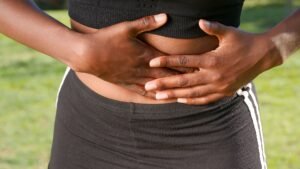
People do not all react to food in the same manner.
- There are some foods which may cause greater gas or a feeling of bloating in certain individuals, for example beans, certain vegetables, dairy products, some fruits, whole grains, and foods that contain specific kinds of carbohydrates.
- It by no means implies that these foods are unhealthy or that everybody should avoid them. Rather, focus on how you react.
- For a few days, you can keep a simple food and symptom diary: Food you ate → Time you ate it → Symptoms → How long symptoms lasted For instance, whenever you find that a certain food leads to bloating, you should talk to a doctor or a registered dietitian about this pattern.
- There is no need to take several food groups out of your diet unless there is a clear reason, since imposing unnecessary restrictions can make it more difficult to obtain sufficient nutrients.
7. Limit fizzy drinks as they can make you feel bloated.

For some people, carbonated drinks can cause the quantity of gas in the digestive tract to rise.
- You can also take in more air if you drink through a straw, chew gum, suck on a piece of hard candy, or if you eat and drink very quickly.
- If you have problems with bloating or constant burping, then try cutting down on fizzy drinks and see if your symptoms get better.
- You needn’t make a dramatic change right away.
- For instance, if you usually have several carbonated drinks each day, begin by substituting one of them with plain water.
8. Stay away from very large meals if they make you feel uncomfortable

After having eaten a very large meal, certain people may feel excessively full, swollen, or uncomfortable.
- If you find that you are uncomfortable following large meals, then try having smaller portions and eat more slowly.
- It doesn’t mean that everybody has to have small meals during the day; the meal pattern that is best for you will vary according to your own needs and circumstances.
- What is important is to notice the way your body reacts – If eating large meals always leads to symptoms, it may be worth your while to alter the portion sizes.
Final Thoughts
Learning how to improve digestion naturally is not about finding one magical food or drink.
It is about building simple habits that support your digestive system over time.
Eat enough fiber, drink adequate fluids, choose a varied diet, eat slowly, stay physically active, and notice which foods may trigger discomfort for you.
Most importantly, give your body time to adjust. A healthy digestive routine is something you build gradually rather than something you achieve in one day.
And if your symptoms are persistent, severe, or unusual, do not assume they are simply caused by your diet. Getting proper medical advice can help identify the underlying cause and the right treatment.
For more information visit our page and explore our helpful guides