
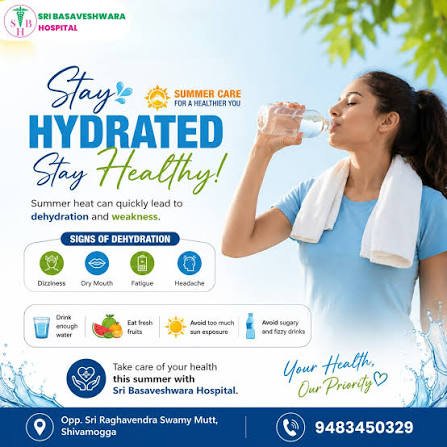
Summer brings sunshine, outdoor activities, vacations, and longer days. While many people enjoy the warm weather, summer also increases the risk of dehydration. Dehydration occurs when the body loses more fluids than it takes in. Since our body is made up of approximately 60% water, maintaining proper hydration is essential for overall health and well-being.
गर्मियों का मौसम धूप, छुट्टियों और बाहरी गतिविधियों का समय होता है। लेकिन इसी मौसम में डिहाइड्रेशन (शरीर में पानी की कमी) का खतरा भी बढ़ जाता है। जब शरीर से निकलने वाले पानी और इलेक्ट्रोलाइट्स की भरपाई नहीं हो पाती, तो डिहाइड्रेशन हो सकता है।
What is Dehydration?
डिहाइड्रेशन क्या है?
Dehydration is a condition that occurs when the body loses more water than it receives. During summer, excessive sweating due to high temperatures causes the body to lose water rapidly. If this loss is not replaced through drinking fluids and consuming water-rich foods, dehydration can develop.
डिहाइड्रेशन तब होता है जब शरीर में पानी की मात्रा सामान्य स्तर से कम हो जाती है। गर्मियों में अधिक पसीना आने के कारण शरीर से पानी तेजी से निकलता है। यदि समय पर पानी और तरल पदार्थ नहीं लिए जाएं, तो शरीर में पानी की कमी हो जाती है।
गर्मियों में डिहाइड्रेशन क्यों बढ़ जाता है?
read also :Why Staying Hydrated is Essential During in summers
High temperatures force the body to cool itself by producing sweat. Along with water, essential minerals such as sodium, potassium, and magnesium are also lost. People who work outdoors, exercise regularly, or spend long hours under the sun are at a higher risk.
गर्मियों में शरीर अपने तापमान को नियंत्रित रखने के लिए अधिक पसीना निकालता है। इसके साथ-साथ आवश्यक खनिज (Minerals) भी बाहर निकल जाते हैं। धूप में काम करने वाले, खिलाड़ी और बच्चे विशेष रूप से अधिक प्रभावित हो सकते हैं।
Common Signs and Symptoms
डिहाइड्रेशन के सामान्य लक्षण
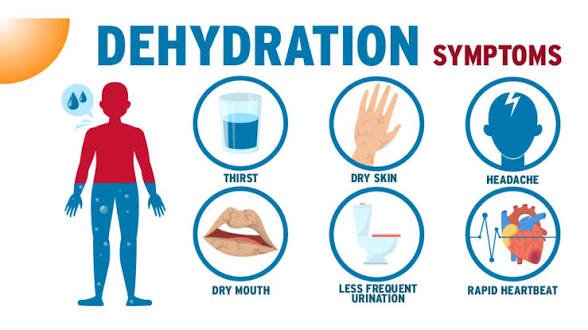
Some early signs of dehydration include:
- Excessive thirst (अधिक प्यास लगना)
- Dry mouth and lips (मुंह और होंठ सूखना)
- Dark yellow urine (गहरा पीला पेशाब)
- Dizziness (चक्कर आना)
- Headache (सिर दर्द)
- Fatigue and weakness (थकान और कमजोरी)
- Muscle cramps (मांसपेशियों में ऐंठन)
- Reduced sweating (कम पसीना आना)
If dehydration becomes severe, it may lead to confusion, rapid heartbeat, fainting, and heatstroke.
Health Risks of Dehydration
डिहाइड्रेशन के स्वास्थ्य पर प्रभाव

Dehydration affects many important body functions. Without sufficient water, the body struggles to regulate temperature, transport nutrients, and remove waste products.
डिहाइड्रेशन के कारण:
- शरीर का तापमान बढ़ सकता है।
- ऊर्जा का स्तर कम हो सकता है।
- किडनी पर अतिरिक्त दबाव पड़ सकता है।
- पाचन तंत्र प्रभावित हो सकता है।
- ध्यान और एकाग्रता में कमी आ सकती है।
- हीट एक्सॉशन और हीट स्ट्रोक का खतरा बढ़ सकता है।
How Much Water Should You Drink?
रोज़ कितना पानी पीना चाहिए?
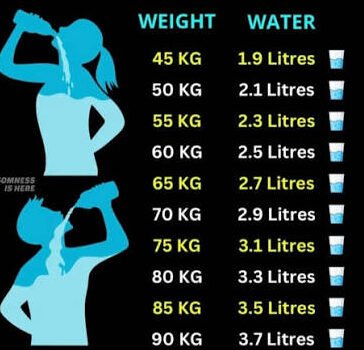
Health experts generally recommend drinking 2 to 3 liters of water daily. However, during summer, water requirements increase due to sweating and heat exposure.
विशेषज्ञों के अनुसार एक स्वस्थ व्यक्ति को प्रतिदिन लगभग 8–10 गिलास पानी पीना चाहिए। यदि आप धूप में अधिक समय बिताते हैं या व्यायाम करते हैं, तो आपको इससे अधिक पानी की आवश्यकता हो सकती है।
Best Ways to Prevent Dehydration
डिहाइड्रेशन से बचने के उपाय
1. Drink Water Regularly
नियमित रूप से पानी पिएं
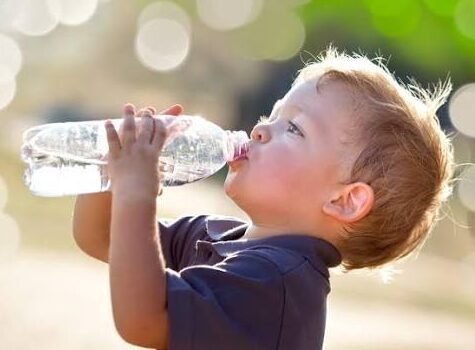
Do not wait until you feel thirsty. Drink small amounts of water throughout the day.
प्यास लगने का इंतजार न करें। दिनभर थोड़ी-थोड़ी मात्रा में पानी पीते रहें।
2. Eat Water-Rich Foods
पानी से भरपूर खाद्य पदार्थ खाएं
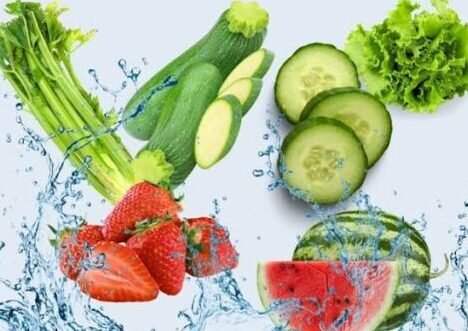
Include fruits and vegetables such as:
- Watermelon (तरबूज)
- Cucumber (खीरा)
- Muskmelon (खरबूजा)
- Orange (संतरा)
- Tomatoes (टमाटर)
- Strawberries (स्ट्रॉबेरी)
These foods help maintain hydration naturally.
3. Drink Coconut Water
नारियल पानी पिएं
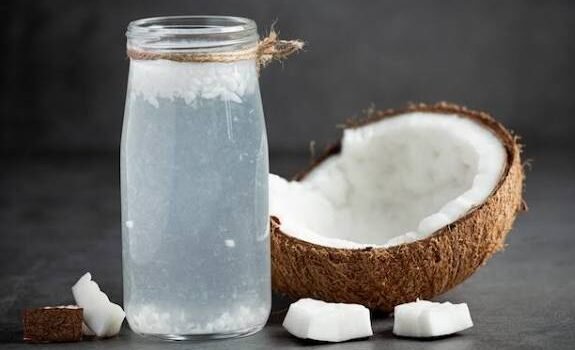
Coconut water is rich in electrolytes and helps replenish minerals lost through sweat.
नारियल पानी शरीर को तुरंत ऊर्जा और आवश्यक इलेक्ट्रोलाइट्स प्रदान करता है।
4. Avoid Excessive Caffeine and Sugary Drinks
अत्यधिक कैफीन और शुगरयुक्त पेय से बचें

Soft drinks and excessive coffee consumption may contribute to fluid loss.
कोल्ड ड्रिंक और अत्यधिक चाय-कॉफी शरीर में पानी की कमी बढ़ा सकते हैं।
5. Wear Light Clothing
हल्के कपड़े पहनें
Light-colored cotton clothes help the body stay cool and reduce excessive sweating.
6. Stay Indoors During Peak Heat
तेज धूप से बचें
Avoid direct sunlight between 11 AM and 4 PM whenever possible.
Special Care for Children and Elderly
बच्चों और बुजुर्गों के लिए विशेष सावधानी
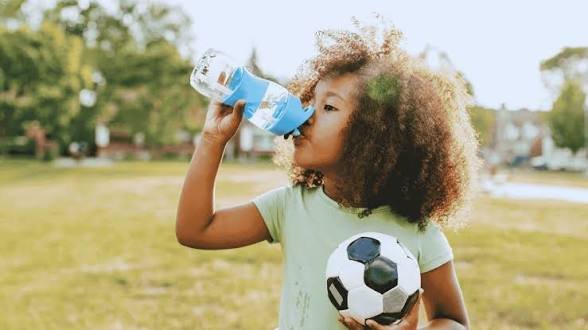
Children often become dehydrated while playing outdoors because they may forget to drink water. Similarly, older adults may not feel thirsty frequently.
बच्चों को नियमित रूप से पानी पिलाना चाहिए और बुजुर्गों को भी पर्याप्त मात्रा में तरल पदार्थ लेने चाहिए।
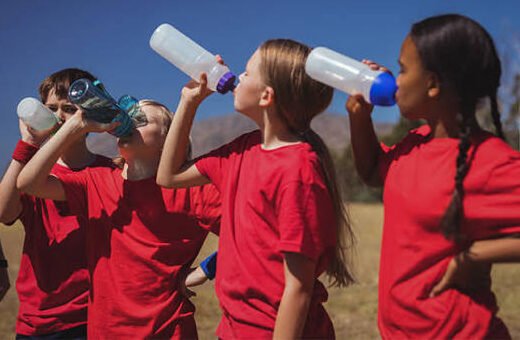
व्यायाम और हाइड्रेशन
People who exercise or work outdoors need additional fluids. Drinking water before, during, and after physical activity helps maintain performance and prevents dehydration.
जो लोग खेलकूद या शारीरिक श्रम करते हैं, उन्हें सामान्य से अधिक पानी पीना चाहिए।
Conclusion
निष्कर्ष
Dehydration is one of the most common health challenges during summer, but it can be prevented with simple habits. Drinking enough water, eating water-rich foods, avoiding excessive heat exposure, and staying aware of dehydration symptoms can help you remain healthy and energetic throughout the season.
गर्मियों में स्वस्थ रहने के लिए हाइड्रेशन सबसे महत्वपूर्ण आदतों में से एक है। पर्याप्त पानी पीकर, पौष्टिक आहार लेकर और धूप से बचाव करके आप डिहाइड्रेशन से सुरक्षित रह सकते हैं। याद रखें—”Stay Hydrated, Stay Healthy!”
Feature Image Title:
💧 Dehydration in Summer
🌞 Beat the Heat, Drink More Water
🍉 Stay Hydrated • Stay Active • Stay Healthy