

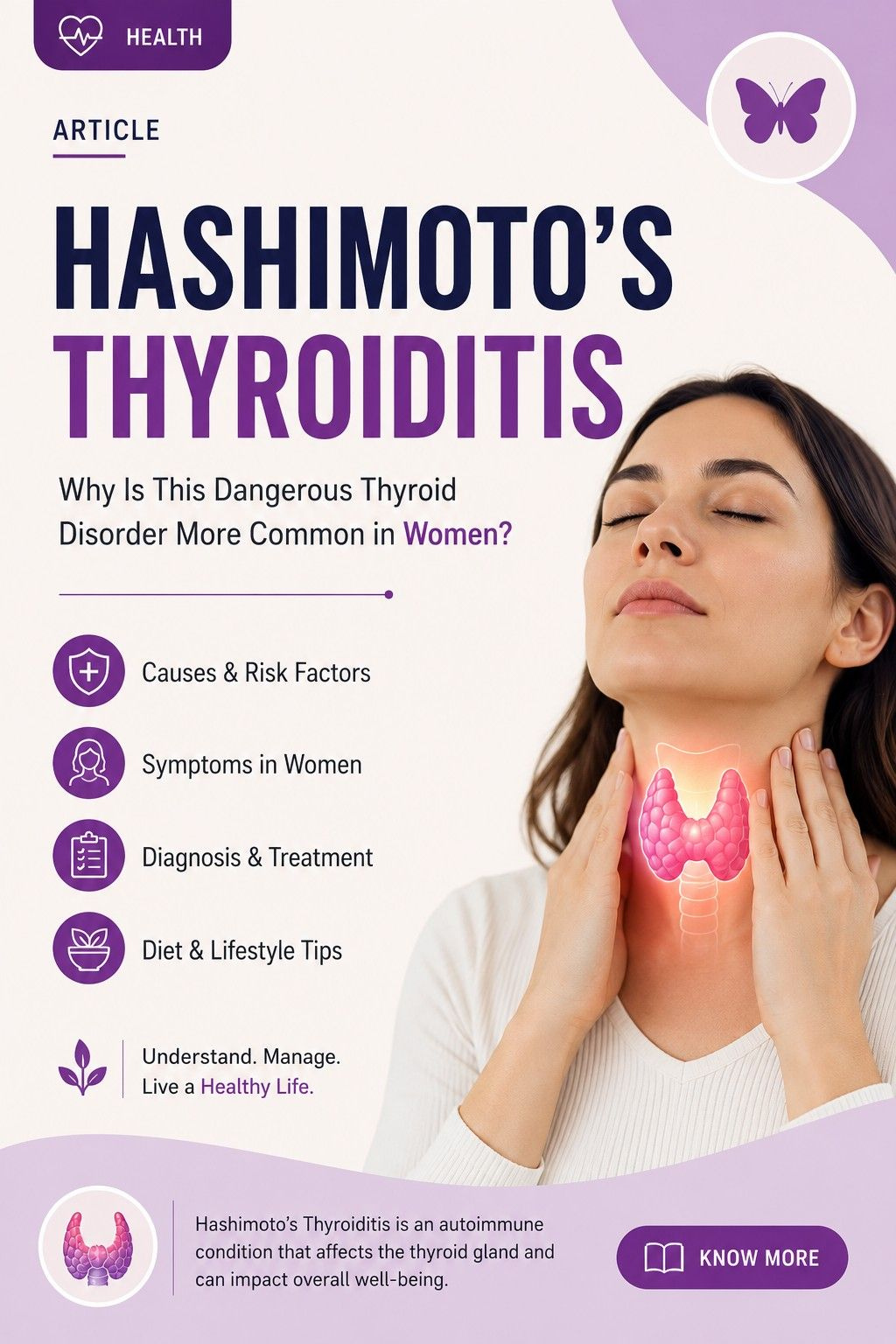
What Is Hashimoto’s Thyroiditis?
Hashimoto’s Thyroiditis is one of the most common autoimmune disorders affecting the thyroid gland. According to the American Thyroid Association, it is a leading cause of hypothyroidism worldwide. Learn more about the symptoms in our Symptoms of Hypothyroidism guide.
Thyroid disorders are becoming increasingly common worldwide, and one condition that deserves special attention is Hashimoto’s Thyroiditis. It is one of the leading causes of hypothyroidism, particularly among women.
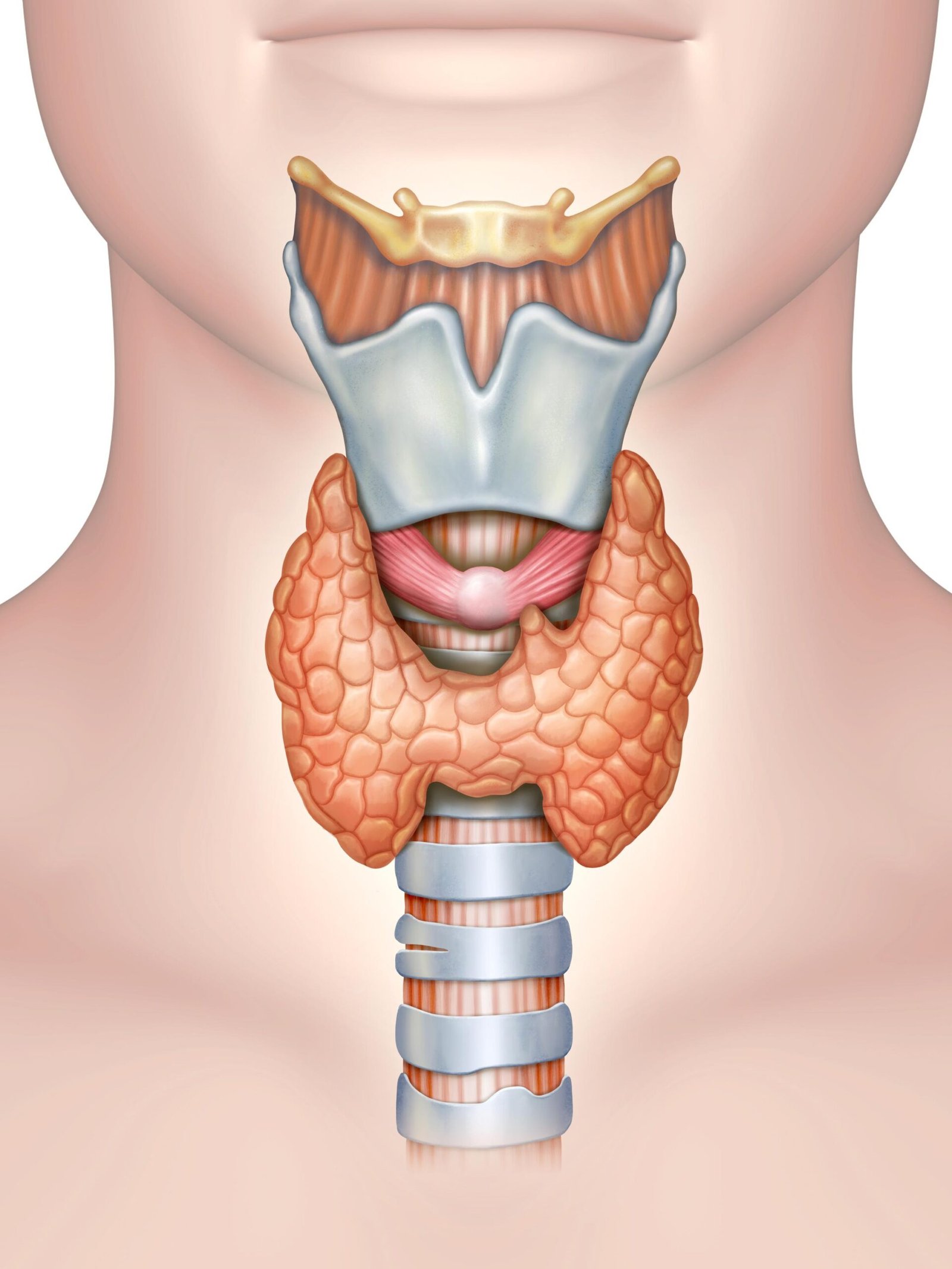
Hashimoto’s Thyroiditis is an autoimmune disease in which the body’s immune system mistakenly attacks the thyroid gland. Over time, this continuous attack damages the thyroid, reducing its ability to produce enough thyroid hormones. As hormone levels decline, many essential body functions begin to slow down.
If left untreated, Hashimoto’s Thyroiditis can affect a person’s energy levels, metabolism, heart health, mental well-being, fertility, and overall quality of life.
Early diagnosis and proper treatment can help manage the condition effectively and prevent long-term complications.
Why Is Hashimoto’s Thyroiditis More Common in Women?
Women are 7–10 times more likely to develop Hashimoto’s Thyroiditis than men.
Several biological and hormonal factors increase the risk.
1. Hormonal Changes
Female hormones influence how the immune system functions.
Hormonal fluctuations may increase the risk of autoimmune diseases.
Puberty, pregnancy, and menopause can all affect thyroid health.
2. Pregnancy and Postpartum Changes
Pregnancy causes major changes in the immune system.
After childbirth, immune activity returns to normal.
In some women, this process triggers an attack on the thyroid gland.
This increases the risk of developing Hashimoto’s Thyroiditis.
3. Genetic Factors
A family history of thyroid disease increases your risk.
Genetics play an important role in autoimmune thyroid disorders.
People with affected relatives should consider regular thyroid screening.
4. Other Autoimmune Diseases
Having one autoimmune disease increases the risk of another.
People with Type 1 Diabetes are at higher risk.
Those with Rheumatoid Arthritis may also develop thyroid disease.
Celiac Disease is commonly linked with autoimmune thyroid disorders.
People living with Lupus have a higher chance of developing Hashimoto’s Thyroiditis.
Regular medical check-ups help detect thyroid problems early.

Common Symptoms of Hashimoto’s Thyroiditis
The symptoms of Hashimoto’s Thyroiditis usually develop slowly.
Many people mistake the early signs for stress or fatigue.
Common symptoms include:
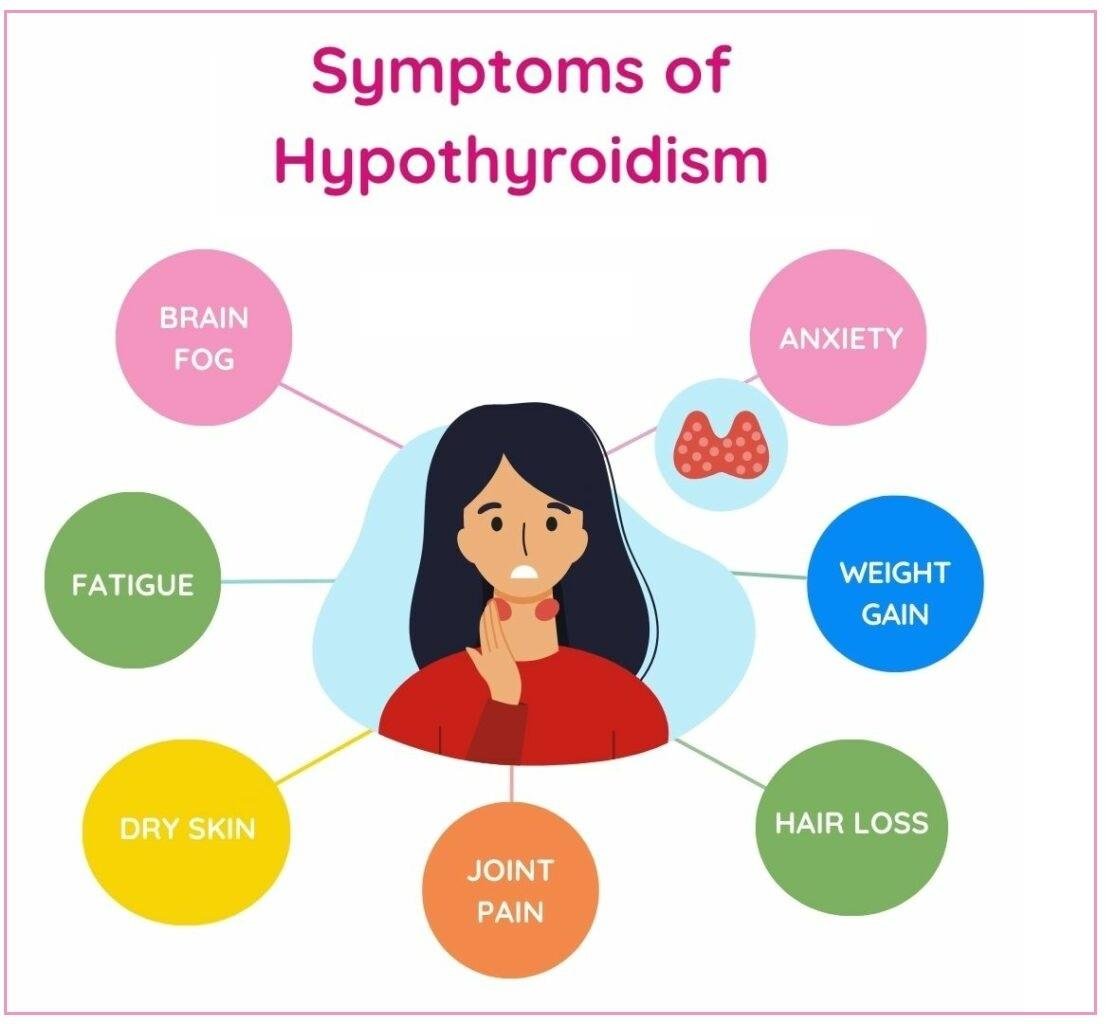
Persistent fatigue – Feeling tired throughout the day.
Weight gain – Gaining weight without major lifestyle changes.
Cold intolerance – Feeling cold more often than others.
Hair loss – Noticeable hair thinning or excessive shedding.
Dry skin – Skin becomes rough, flaky, or itchy.
Puffy face – Mild swelling around the face or eyes.
Constipation – Frequent digestive discomfort.
Brain fog – Difficulty focusing or remembering things.
Note: These symptoms can also occur with other medical conditions.
Always consult a healthcare professional for an accurate diagnosis
Who Is at Higher Risk?
Some people are more likely to develop Hashimoto’s Thyroiditis
Higher-risk groups include:
Women between 30 and 60 years of age
People with a family history of thyroid disease
Individuals with autoimmune disorders
Women during pregnancy or after childbirth
People with previous thyroid problems
Regular thyroid screening helps detect the disease early.
Diagnosis of Hashimoto’s Thyroiditis
Doctors diagnose Hashimoto’s Thyroiditis using your symptoms, medical history, physical examination, and blood tests.
Common Diagnostic Tests
TSH (Thyroid-Stimulating Hormone) Test – Detects whether your thyroid is underactive.
Free T4 Test – Measures the level of thyroid hormone in your bloodstream.
Anti-TPO Antibody Test – Identifies antibodies that commonly indicate Hashimoto’s Thyroiditis.
Anti-Thyroglobulin Antibody Test – Detects additional thyroid-specific antibodies linked to autoimmune disease.
Thyroid Ultrasound – Evaluates the size, texture, and overall condition of the thyroid gland.
Physical Examination – Your doctor may check for an enlarged thyroid (goiter) and other visible signs of thyroid dysfunction.
Early diagnosis of Hashimoto’s Thyroiditis allows timely treatment and helps reduce the risk of long-term complications.
Treatment for Hashimoto’s Thyroiditis
There is no permanent cure for Hashimoto’s Thyroiditis, but it can be effectively managed with proper treatment.
Common Treatment Options
Levothyroxine – Replaces the missing thyroid hormone and helps restore normal hormone levels.
Regular Blood Tests – Monitor TSH and Free T4 levels to ensure the medication is working effectively.
Routine Doctor Visits – Help adjust the medication dosage based on your thyroid function.
Healthy Diet – A balanced diet supports overall thyroid health and well-being.
Regular Exercise – Improves energy levels, metabolism, and overall fitness.
Stress Management – Yoga, meditation, and quality sleep may help reduce stress and support better health.
Avoid Self-Medication – Never start, stop, or change thyroid medication without your doctor’s advice.
Take Medication Correctly – Levothyroxine is usually taken on an empty stomach, 30–60 minutes before breakfast, as directed by your healthcare provider.
Early treatment of Hashimoto’s Thyroiditis can help control symptoms, prevent complications, and improve your quality of life.
Does Diet Make a Difference?
Diet cannot cure Hashimoto’s Thyroiditis.
However, healthy eating supports thyroid function and overall well-being.
Foods to Include
Fresh vegetables
Seasonal fruits
Lean protein
Whole grains
Healthy fats
Plenty of water

Foods to Limit
Processed foods
Sugary drinks
Deep-fried foods
Excess sugar
Smoking
Excessive alcohol
Healthy Lifestyle Tips
Small daily habits can support better thyroid health.
Exercise for at least 30 minutes most days.
Sleep for 7–9 hours every night.
Manage stress through yoga or meditation.
Drink enough water throughout the day.
Take thyroid medication at the same time daily.
Do not skip regular thyroid check-ups.
Maintain a healthy body weight
read also :
https://www.btf-thyroid.org/diets-and-supplements-for-thyroid-disorders
Can Hashimoto’s Thyroiditis Be Prevented?
There is no guaranteed way to prevent Hashimoto’s Thyroiditis.
Genetics and the immune system play a major role.
However, early detection can reduce the risk of complications.
Regular thyroid tests are recommended if you have a family history of thyroid disease.
A healthy lifestyle also supports long-term thyroid health.
Conclusion
Hashimoto’s Thyroiditis is a common autoimmune thyroid disorder that affects women more frequently than men.
Early diagnosis, proper medication, a balanced diet, and healthy lifestyle habits can help manage the condition effectively.
If you notice persistent fatigue, weight gain, hair loss, or increased sensitivity to cold, consult your doctor and get your thyroid checked promptly.
Disclaimer
The information provided in this article is for educational and informational purposes only and should not be considered medical advice. While we strive to ensure the content is accurate and up to date, it is not a substitute for professional medical diagnosis, treatment, or advice. If you have symptoms of Hashimoto’s Thyroiditis or any other thyroid condition, consult a qualified healthcare professional for proper evaluation and treatment. Never ignore or delay seeking medical advice based on information you have read online.

Asmit Rawat is a content writer and researcher with 2+ years of experience creating accurate, reader-focused content on health, wellness, lifestyle, government schemes, education, and technology. He follows a research-driven editorial process, using credible and up-to-date sources to ensure accuracy and reliability. His work is guided by Google’s EEAT principles, with a focus on providing trustworthy information that helps readers make informed decisions.