

Glowing skin does not always require expensive skincare products or complicated treatments. Simple habits and gentle home-based care can help keep your skin clean, hydrated, comfortable and healthy-looking.
However, it is important to remember that no home remedy can permanently change your natural skin colour or guarantee instant glowing skin. Your skin type, genetics, lifestyle, environment and overall health all play a role.
In this guide, we will discuss 16 simple home remedies and daily skincare practices, what they may help with, how to use them safely and which popular remedies you should avoid.
Table of Contents
- Introduction
- 16 Home Remedies for Glowing Skin
- Home Remedies That You Should Avoid
- Daily Home Skincare Tips for a Radiant Glow
- How to Build a Simple Skincare Routine
- Conclusion
- Frequently Asked Questions (FAQs)
Introduction
Everyone wants healthy and naturally radiant skin, but achieving it is not about finding one magical ingredient.
Your skin needs regular care. Gentle cleansing, adequate moisturization, sun protection, balanced nutrition, enough sleep and good hygiene are much more important than following every viral skincare trend.
Some simple home-care methods can make your skin feel fresh, comfortable and moisturized, but results can vary from person to person.
So, what can you actually do at home for healthier-looking skin?
Let’s look at 16 simple options.
16 Home Remedies for Glowing Skin
1. Use a Gentle Cleanser
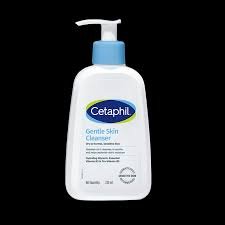
One of the simplest ways to care for your skin is to cleanse it gently.
Cleansing can remove dirt, sweat and excess oil that build up during the day.
How to do it:
- Use a gentle cleanser suitable for your skin type.
- Wash with lukewarm water.
- Avoid aggressive rubbing.
- Pat your face dry with a clean towel.
Do not over-wash your face, as excessive cl
eansing can leave the skin dry or irritated.
2. Apply a Moisturizer
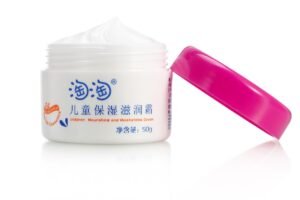
A good moisturizer can help maintain the skin’s moisture and protective barrier.
You do not need an expensive product. Choose one according to your skin type.
For example:
- Dry skin → Moisturizing cream
- Oily skin → Lightweight moisturizer
- Acne-prone skin → Consider non-comedogenic products
Moisturizing regularly can help your skin feel softer and less dry.
3. Use Aloe Vera Carefully

Aloe vera gel is commonly used as a soothing skincare ingredient.
It may help provide a cooling and soothing feeling, particularly when the skin feels irritated.
How to use it:
Apply a small amount of a suitable aloe vera product to the skin.
Patch-test first, because even natural ingredients can cause irritation or an allergic reaction in some people.
Avoid applying it to broken or severely irritated skin unless advised by a healthcare professional.
4. Try an Oatmeal-Based Skin Treatment
Oatmeal can be a gentle option for skin that feels dry or irritated.
Finely ground oatmeal can be mixed with water to create a simple paste and applied gently.
Why use oatmeal?
Oatmeal-based skincare may help:
- Soothe dry-feeling skin
- Reduce the feeling of irritation
- Support comfortable skin
Do not scrub the mixture aggressively.
5. Use a Cool Compress

Does your face sometimes feel warm or irritated?
A cool compress can provide temporary soothing comfort.
How to use it:
- Take a clean, soft cloth.
- Dampen it with cool water.
- Place it gently on your face for a short period.
- Do not press or rub aggressively.
A cool compress does not permanently create glowing skin, but it can help your skin feel refreshed and comfortable.
6. Green Tea Compress

Green tea contains naturally occurring compounds called polyphenols.
A cooled green tea compress can be used as a simple home skincare option.
How to use it:
- Prepare green tea normally.
- Allow it to cool completely.
- Soak a clean cotton pad or cloth.
- Apply it gently to the skin.
Never apply very hot tea to your face.
Also, stop using it if you experience irritation.
7. Keep Your Skin Properly Hydrated

Healthy skin care starts with taking care of your body.
Drinking enough water is important for normal body functions, although drinking excessive amounts of water will not automatically make your skin glow.
Instead of forcing yourself to drink huge quantities, maintain normal, adequate hydration throughout the day.
8. Eat More Fruits and Vegetables

Your skin also benefits from a balanced and nutritious diet.
Fruits and vegetables provide a variety of nutrients that support overall health.
Try to include a variety of:
- Fruits
- Vegetables
- Whole grains
- Protein-rich foods
- Nuts and seeds
There is no single “glowing skin food.”
A balanced diet is more important than one particular ingredient.
9. Get Enough Sleep

Could your daily routine be affecting how your skin looks?
Sleep is an important part of overall health and recovery.
Try to maintain a regular sleep schedule and give your body enough time to rest.
Simple sleep habits:
- Keep a consistent bedtime.
- Avoid unnecessary screen use before sleeping.
- Keep your sleeping environment comfortable.
- Avoid regularly staying up very late.
Good skincare cannot replace healthy sleep.
10. Protect Your Skin From the Sun

This is one of the most important steps for long-term skin health.
UV radiation can cause sunburn and contribute to skin damage and premature skin aging.
When appropriate, use a broad-spectrum SPF 30 or higher sunscreen and combine it with shade and protective clothing. American Academy of Dermatology – Choosing the Right Sunscreen
Remember:
Sunscreen is not only for summer.
Sun protection matters whenever you are spending significant time outdoors.
11. Keep Your Pillowcase Clean

Your pillowcase comes into contact with your face, hair, sweat and skin oils while you sleep.
Keeping bedding clean is therefore a useful hygiene habit.
Simple tip:
Wash your pillowcase regularly and keep your sleeping environment clean.
This is not a miracle treatment for acne, but good hygiene is an important part of general skincare.
12. Keep Your Hands Away From Your Face

How often do you touch your face without realizing it?
Your hands come into contact with many surfaces throughout the day.
Frequently touching your face can transfer oil, dirt and other substances to the skin.
More importantly, avoid picking or squeezing pimples, as this can increase irritation and may contribute to marks or scarring.
13. Remove Makeup Before Sleeping

If you use makeup, make sure you remove it properly before going to bed.
Leaving makeup on overnight may contribute to clogged pores or irritation for some people.
A simple routine:
Remove makeup → Gentle cleanser → Moisturizer
Choose makeup-removal products that are suitable for your skin and avoid aggressive rubbing.
14. Keep Your Makeup Brushes Clean

Dirty makeup tools can collect oil, product residue and microorganisms.
Clean your brushes and applicators regularly according to their material and product instructions.
Also:
- Do not share personal makeup products.
- Replace products when they are expired.
- Keep containers clean.
- Avoid using products that have noticeably changed in smell, texture or appearance.
Good hygiene can help reduce unnecessary irritation.
15. Take a Break From Harsh Skincare

Sometimes the best home remedy is simply stopping something that is irritating your skin.
If your skin feels dry, burning, unusually red or uncomfortable after using several products, consider simplifying your routine.
Avoid constantly experimenting with:
- Harsh scrubs
- Strong DIY mixtures
- Unknown ingredients
- Multiple new active products
Simple skincare is often easier to maintain.
16. Stay Physically Active
Regular physical activity is an important part of a healthy lifestyle.
Exercise supports overall health and wellbeing. After sweating heavily, however, it is a good idea to clean your skin appropriately.
Remember:
Exercise for health, not simply to change your appearance.
Which Home Remedies Should You Avoid?
Not every viral skincare hack is safe.
Some popular DIY remedies can cause irritation, dryness or allergic reactions, particularly on sensitive skin.
Avoid using harsh ingredients such as:
- Undiluted lemon juice
- Strong acids
- Bleach
- Toothpaste as a pimple treatment
- Harsh scrubbing mixtures
- Unknown cosmetic chemicals
- Very hot substances on the skin
Why should you avoid them?
Your facial skin can be sensitive. Something that appears harmless in a social media video may cause irritation or damage when used incorrectly.
Natural does not automatically mean safe.
Daily Home Skincare Tips for a Radiant Glow
Want to keep your routine simple?
Follow these basic habits:
Morning
Cleanse → Moisturize → Sunscreen
During the Day
- Stay adequately hydrated.
- Eat balanced meals.
- Avoid unnecessary touching of your face.
- Protect your skin from excessive sun exposure.
Night
Remove makeup → Cleanse → Moisturize
And most importantly:
Get enough sleep and maintain a healthy lifestyle.
What Is More Important: Home Remedies or Daily Habits?
Daily habits are more important.
A homemade face mask once a week cannot compensate for consistently poor skincare habits.
For long-term skin health, prioritize:
- Sun protection
- Gentle cleansing
- Moisturizing
- Balanced nutrition
- Adequate hydration
- Quality sleep
- Regular physical activity
- Good hygiene
Think of home remedies as optional additions rather than magical solutions.
How to Build a Simple Skincare Routine
You do not need a 10-step routine.
Morning Routine
Step 1: Cleanse
Use a gentle cleanser if needed.
Step 2: Moisturize
Apply a suitable moisturizer.
Step 3: Sunscreen
Use broad-spectrum SPF 30 or higher sunscreen when appropriate.
Night Routine
Step 1: Remove Makeup
If you wear makeup, remove it properly.
Step 2: Cleanse
Gently clean your face.
Step 3: Moisturize
Apply a suitable moisturizer.
Start simple and only add products when you have a clear reason to use them.
How to Choose the Right Home Remedy for Your Skin?
Before trying anything, ask yourself:
Is my skin dry?
Focus on gentle cleansing and moisturization.
Is my skin oily?
Avoid heavy or greasy products and consider lightweight, non-comedogenic skincare.
Is my skin sensitive?
Be extra careful with DIY ingredients and patch-test new products.
Do I have persistent acne?
Don’t depend only on home remedies. Consider getting advice from a qualified dermatologist.
Are Home Remedies Safe for Everyone?
No.
Even common natural ingredients can cause irritation or allergies.
Before applying a new ingredient to your face:
- Use a small test area first.
- Avoid broken or severely irritated skin.
- Stop if you experience burning, swelling, severe redness or itching.
- Avoid mixing several new ingredients together.
If you have a known skin condition or persistent symptoms, professional medical advice is better than experimenting with DIY treatments.
Frequently Asked Questions About Glowing Skin
1. How can I get naturally glowing skin?
Focus on gentle skincare, sun protection, balanced nutrition, adequate hydration, sufficient sleep and regular healthy habits.
2. What is the best home remedy for glowing skin?
There is no single best remedy for everyone. Simple habits such as moisturizing, gentle cleansing and sun protection are generally more reliable than viral DIY treatments.
3. Can I get glowing skin overnight?
No. There is no reliable home remedy that can guarantee an overnight transformation.
Healthy-looking skin usually requires consistent care over time.
4. Can lemon juice make my skin glow?
It is better to avoid applying undiluted lemon juice to your face. It can irritate the skin and make it more sensitive.
5. Is aloe vera good for the skin?
Aloe vera can provide a soothing and cooling effect for some people, but it can also cause irritation in others. Patch-test before using it.
6. Can drinking more water give me glowing skin?
Adequate hydration is important for overall health, but drinking excessive amounts of water does not guarantee glowing skin.
7. Is sunscreen really necessary?
Yes, sun protection is an important part of long-term skin care. Broad-spectrum SPF 30 or higher is commonly recommended when appropriate.
8. Should I scrub my face every day?
No. Excessive or aggressive scrubbing can irritate the skin.
9. Can I use the same skincare routine as my friend?
Not necessarily. Everyone’s skin is different. A product that works for one person may not work for another.
10. When should I see a dermatologist?
Consider professional advice if you have persistent acne, severe irritation, recurring rashes, significant pigmentation changes or a skin problem that does not improve with basic care.
Conclusion
Glowing skin does not come from one magical home remedy.
The foundation of healthy-looking skin is much simpler:
Cleanse gently → Moisturize → Protect from the sun → Eat a balanced diet → Stay hydrated → Sleep well → Stay consistent.
Home-based options such as oatmeal, a cool compress or aloe vera may provide soothing or moisturizing benefits for some people, but they should not be treated as guaranteed treatments.
Most importantly, avoid harsh DIY skincare trends and never use potentially irritating ingredients just because they are popular online.
Healthy skin takes time. Simple, safe and consistent habits are far more valuable than chasing instant results.