

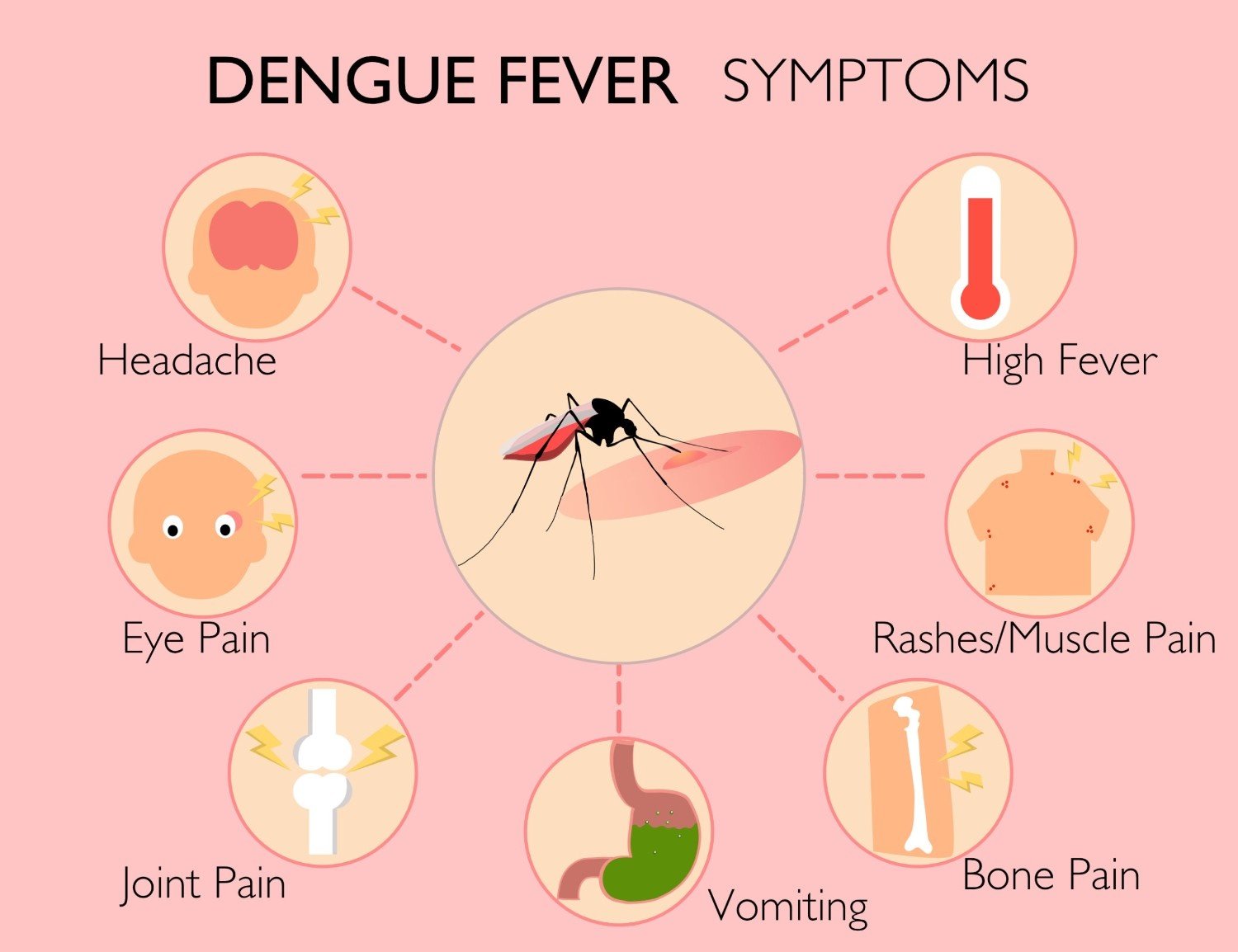
Dengue Symptoms Treatment and Prevention
Dengue is a viral infection that spreads from mosquitoes to people and is a common occurrence in tropical and subtropical climates. The most common symptoms are high fever, headache, body aches, nausea and rash.
Dengue fever is a mosquito-borne disease that affects tropical and subtropical regions of the world. A high temperature and flu-like symptoms are brought on by mild dengue fever.
Dengue infections affect millions of people globally. Southeast Asia, the islands of the western Pacific, Latin America, and Africa are where dengue
fever is most prevalent. Localized occurrences of the illness have been reported in Europe and the southern United States, among other new locations.
In a severe case of dengue, blood vessels may leak fluid into the body, resulting in symptoms including breathing difficulties, low blood pressure, and abdominal pain. Additionally, it could be Dengue shock syndrome or dengue hemorrhagic fever. In this condition we can find the following findings:
- Pulse pressure – <90
- Blood pressure – <80 mmHg
Diagnosis of Dengue Symptoms
are similar to those of other illnesses such chikungunya, the Zika virus, malaria Dengue fever can be challenging to diagnose since its signs and symptoms and typhoid fever.
How doctors diagnose dengue fever Symptoms
Healthcare providers diagnose dengue with a blood test. They’ll take a sample of blood through a vein and send it to a lab to look for signs of the virus. The lab may also identify which of the four versions you have. Your provider can use a blood test to look for other viruses that cause similar symptoms. Your medical and travel histories will probably be questioned by your doctor. Include all pertinent information about your international travels, such as the dates and locations you visited as well as any possible mosquito encounters.
Additionally, your doctor might take a blood sample to be examined in a lab for signs of a dengue virus infection.
Treatment of Dengue Symptoms
There are no specialized dengue antiviral medications. Supportive care recommendations include telling patients to drink plenty of water and steer clear of aspirin, aspirin-containing medications, and other non-steroidal anti-inflammatory drugs (like ibuprofen) due to their anticoagulant quality Your provider can make recommendations for taking care of yourself at home if your symptoms are mild. They may suggest: Keeping yourself hydrated by drinking plenty of water and fluids
- Getting as much rest as possible
- Treating pain with acetaminophen (like Tylenol) only
- Can you survive dengue fever symptoms Yes. Most people recover from dengue fever without any lasting complications. And most people with severe dengue survive if they’re treated immediately at a hospital or medical facility.
- Can you get dengue multiple times? Yes. Because there are at least four versions of the dengue virus, you can get dengue more than once. You’ll usually become immune to the first strain you get sick with and won’t get it again. But you can get sick with one of the other three strains after that. For reasons that aren’t well understood, you’re more likely to get severely sick if you get dengue more than once.
- Is dengue symptoms contagious? Dengue isn’t contagious directly from one person to another, like the flu. But if you’re pregnant and get dengue, you can pass it to your baby during pregnancy or childbirth
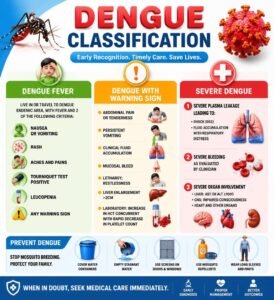
Do not take ibuprofen (like Advilor Motrin) or aspirin to treat pain when you have dengue symptoms. This can increase your risk of life-threatening internal bleeding. dengue is common. Adults at a higher risk for complications are sometimes eligible, too.
dengue. 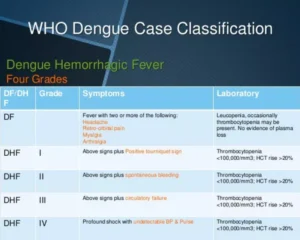 WHO Dengue symptoms classification Recognizing severe dengue remains a challenge for the clinician. In 2009, WHO adopted a new classification of symptomatic dengue infections i.e.. dengue with or without warning signs (WS +/-). While the performance of the triage based on the presence of warning signs (WS) need further validation across different clinical settings, this practical classification helps clinicians identify those patients in need of closer surveillance and/or hospitalization. Dengue warning signs include spontaneous or provoked bleeding, severe abdominal pain, persistent vomiting, painful.
7 Best Tips for Dengue Symptoms Treatment and Recovery
Drink Plenty of Fluids: Consume water, coconut water, and oral rehydration solutions (ORS) to prevent dehydration.
- Take Paracetamol Only: Use acetaminophen or paracetamol for fever and pain.
- Avoid Aspirin and Ibuprofen: Strictly avoid NSAIDs because they thin blood and raise bleeding risks.
- Get Complete Bed Rest: Save energy so your immune system can fight the virus.
- Monitor Platelet Counts: Do regular blood tests to track cell and platelet levels.
- Sponge with Warm Water: Use a damp cloth to help lower high body temperatures
- Seek Emergency Care Early: Go to the hospital immediately if severe warning signs
- Dengvaxia is the only vaccine available in parts of the U.S. where dengue is common. It’s recommended for kids ages 9 to 16 who’ve had a previous dengue infection before. It’s discontinued but available until supplies run out. It isn’t recommended for visitors, only people who live in areas where Dengue is common
on.
Read also: /how-to-improve-teeth-health/
https://de.wikipedia.org/wiki/Denguefieber

Dharam Pundir is a healthcare content creator with an interest in health, wellness, and medical awareness. He enjoys learning about health-related topics and sharing simple, useful information with others. He has been working as a content creator for ApnaRajya.com for the past two years.